Discover Kurumaya Ramen Atami Taga
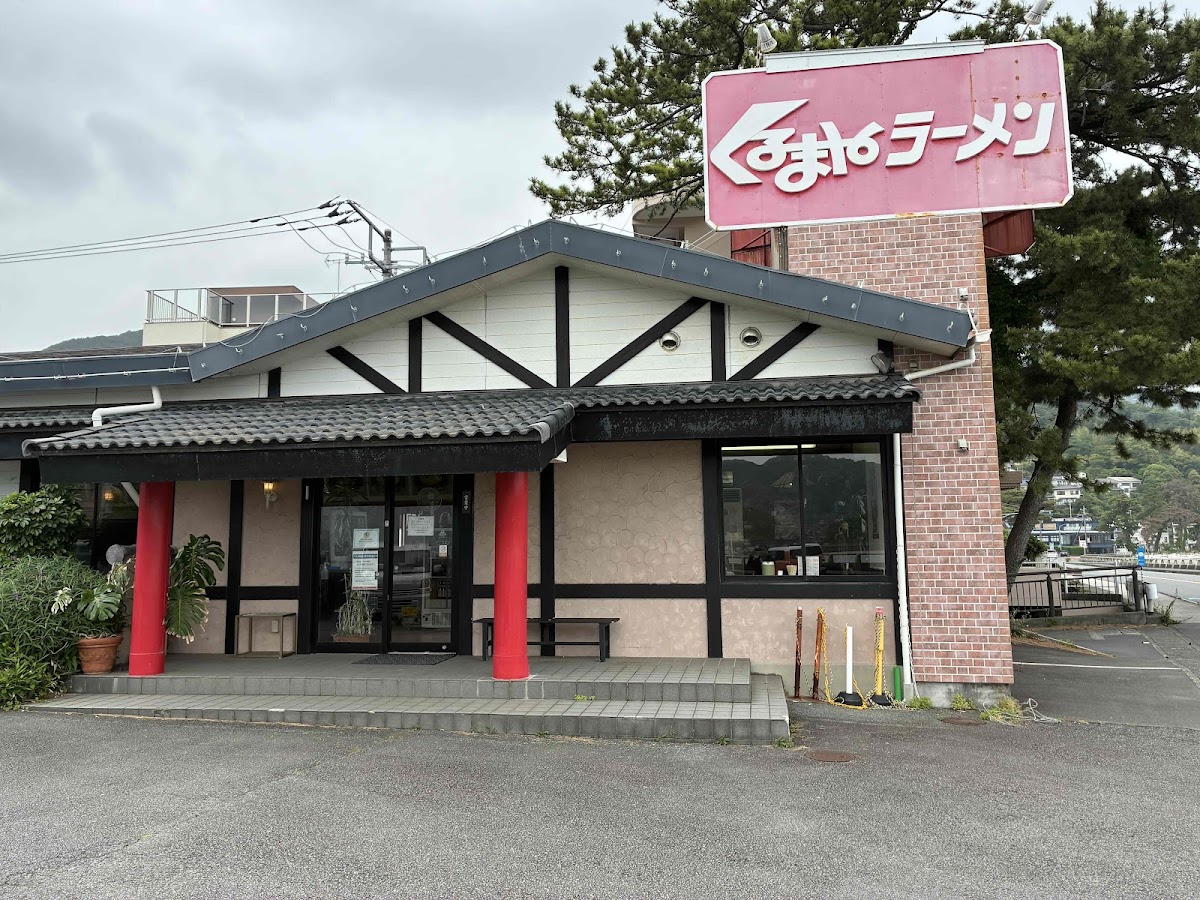
Walking into Kurumaya Ramen Atami Taga feels like stepping into a slice of everyday Japan that locals quietly treasure. Tucked away at 1401-24 Shimotaga, Atami, Shizuoka 413-0102, Japan, this ramen diner doesn’t chase trends or social media hype. Instead, it focuses on doing one thing well: serving consistently satisfying bowls of ramen that people come back for year after year.
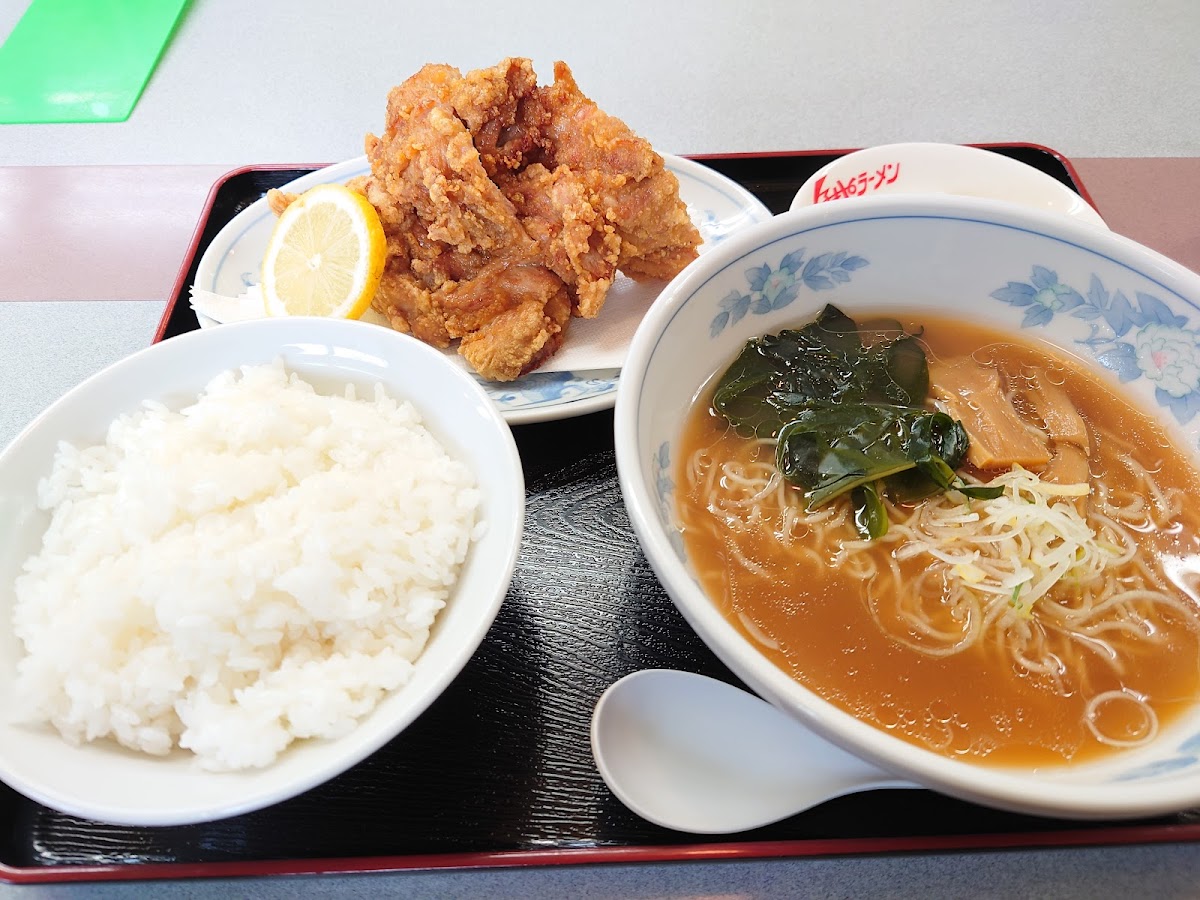
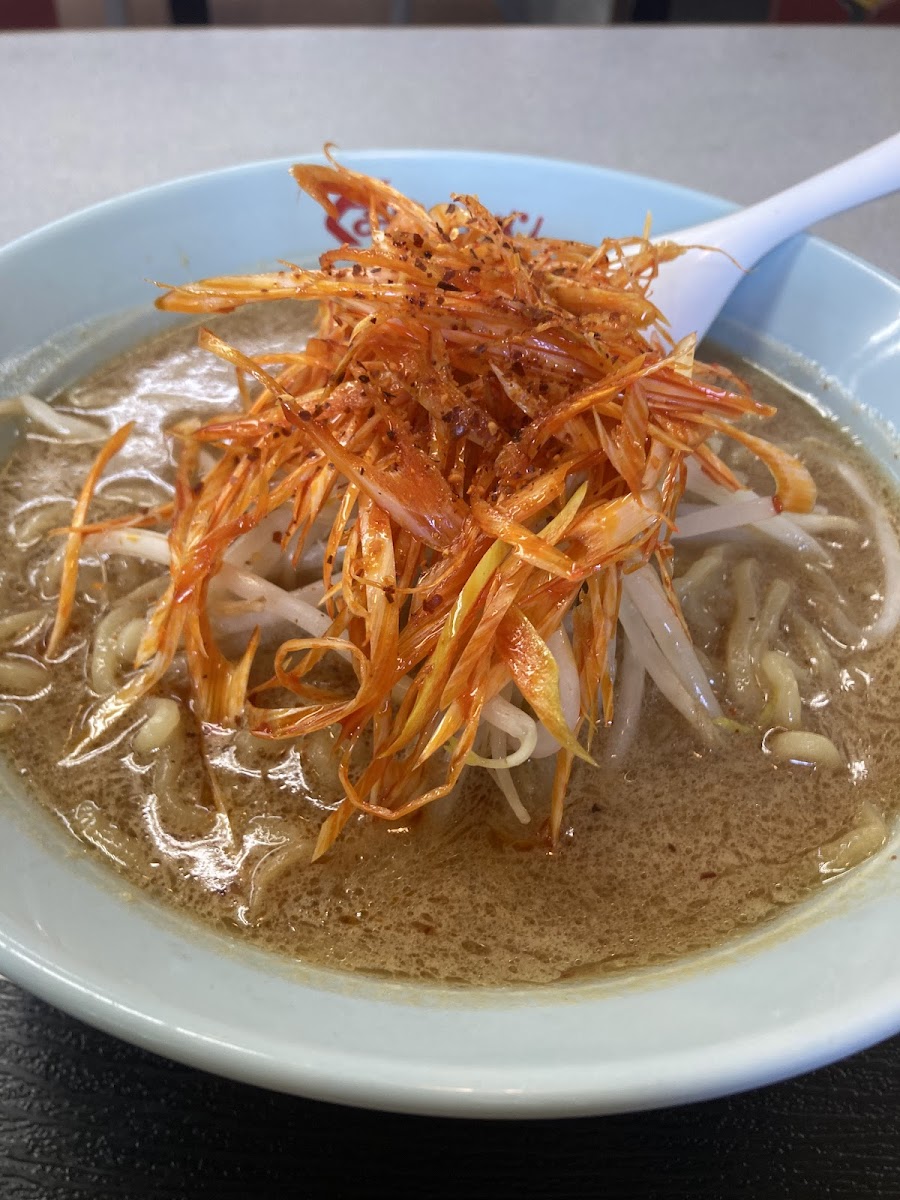
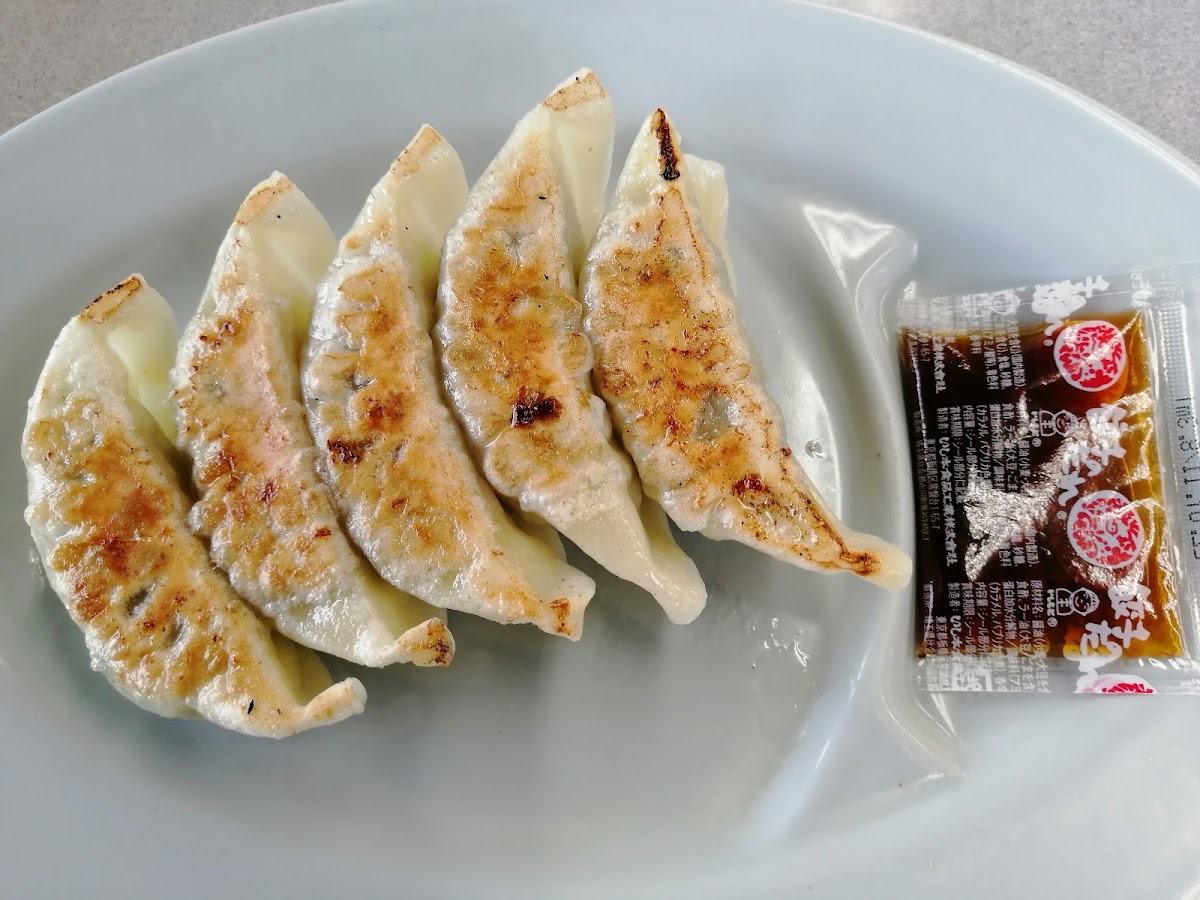
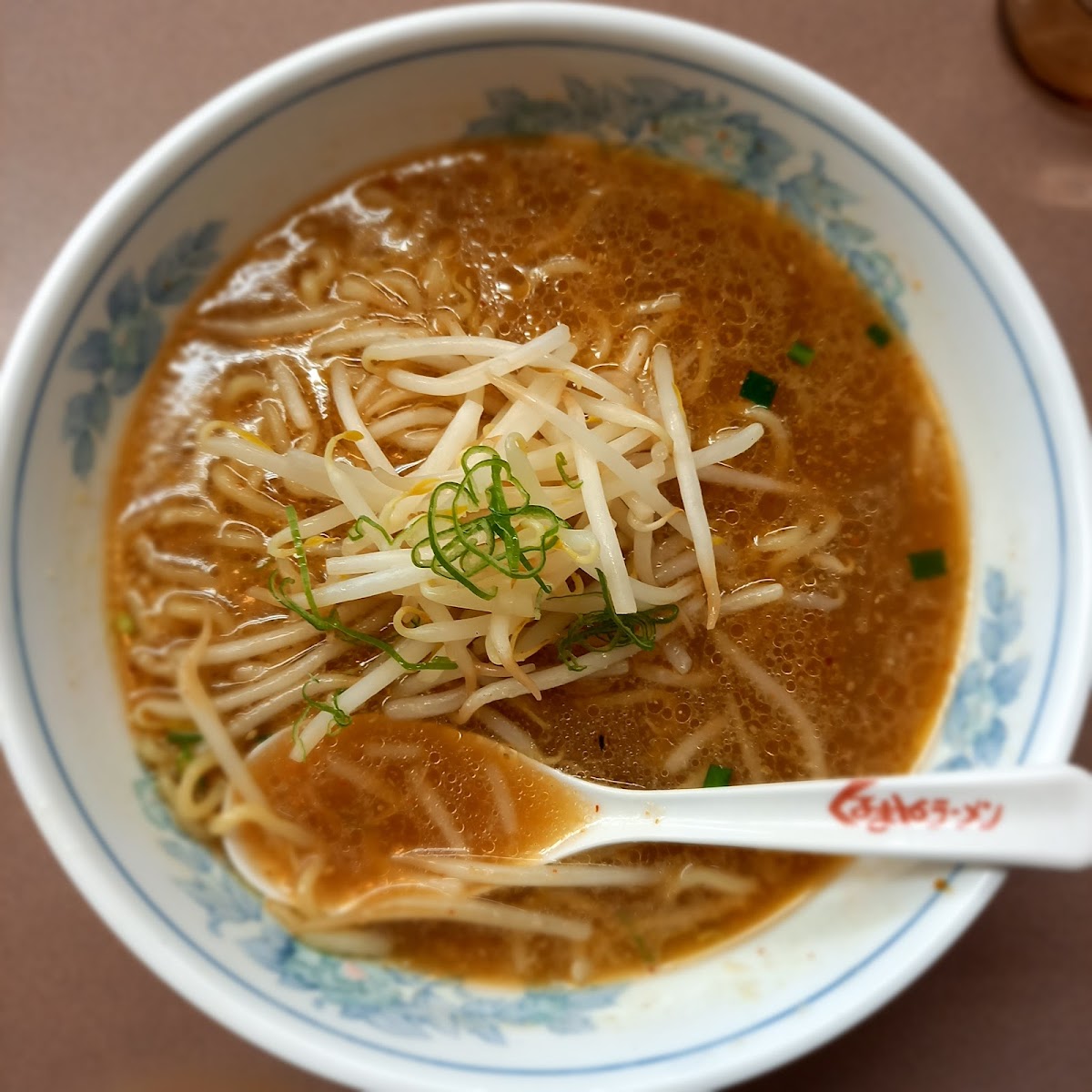
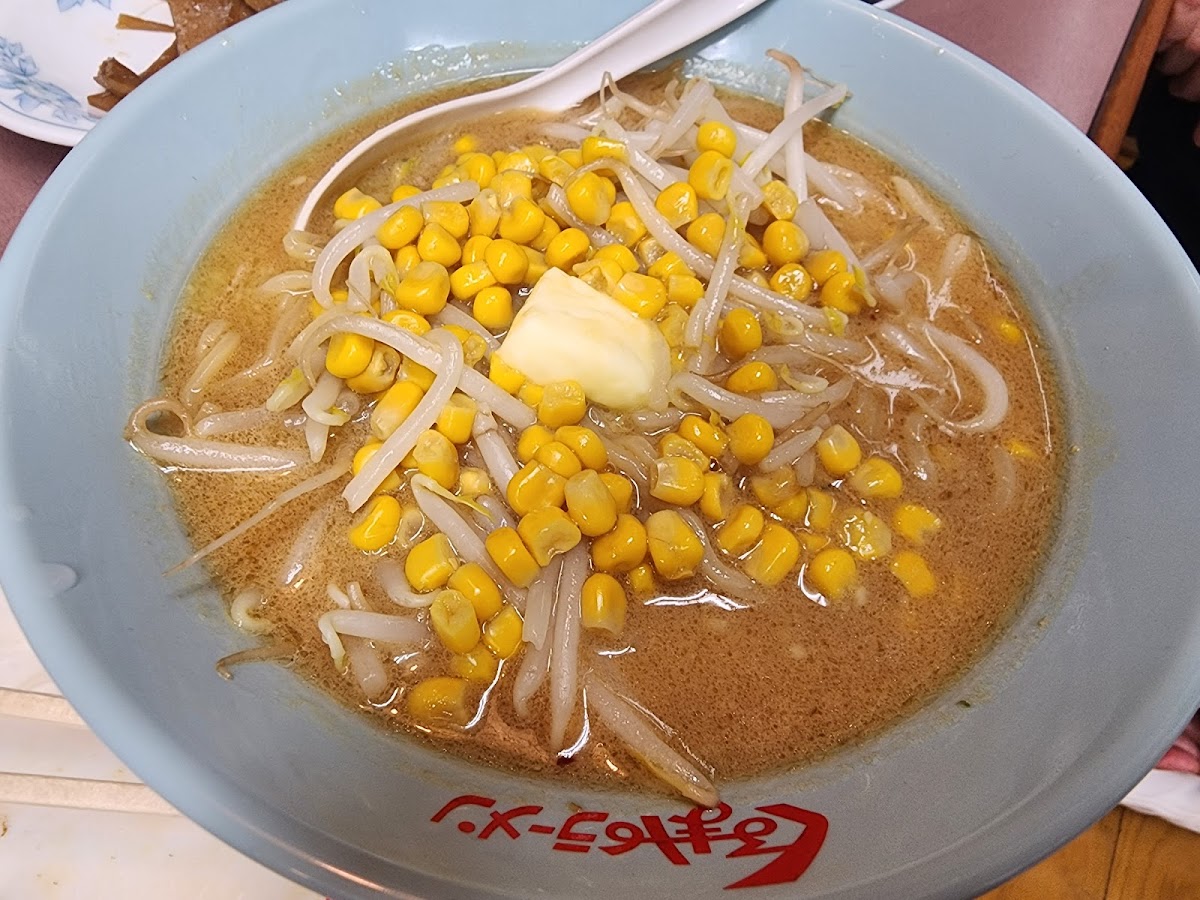
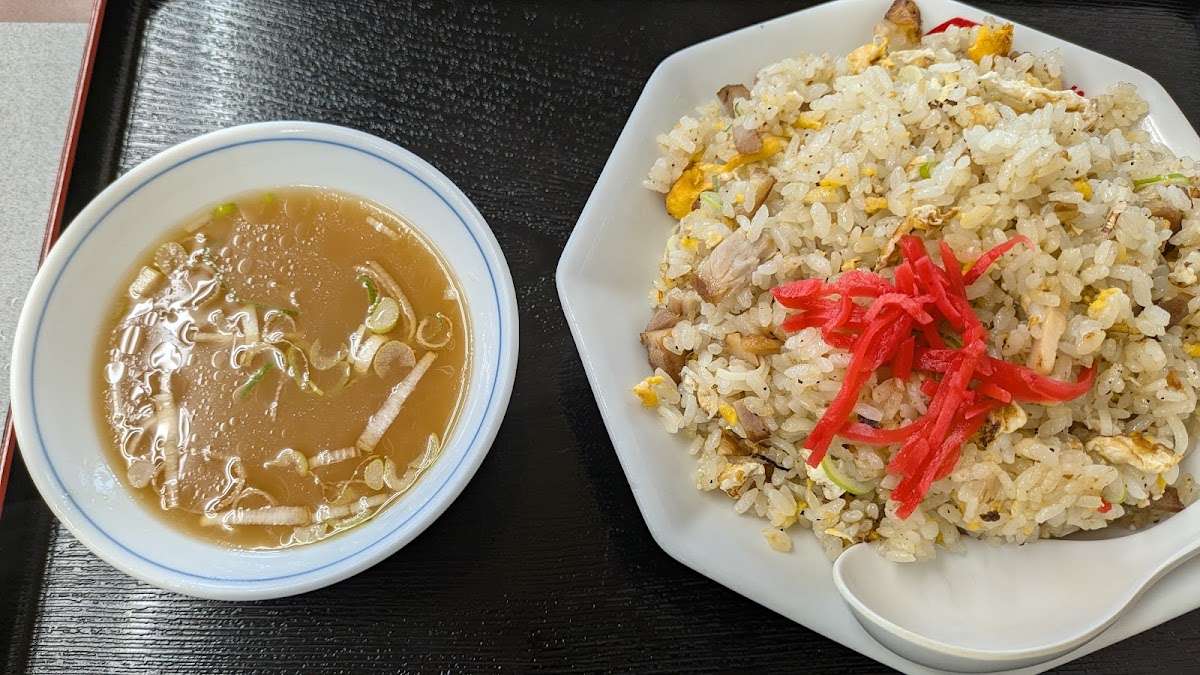
I first visited on a rainy afternoon after spending the morning near the coast, and the timing couldn’t have been better. The smell of simmering broth hit me as soon as the door slid open. The menu is straightforward, which is often a good sign. You’ll find classic soy sauce ramen, miso ramen, and salt-based options, along with familiar sides like gyoza and rice bowls. According to data from the Japan External Trade Organization, ramen shops that keep a focused menu tend to maintain higher customer satisfaction because consistency becomes their signature, and this place is a textbook example of that principle.
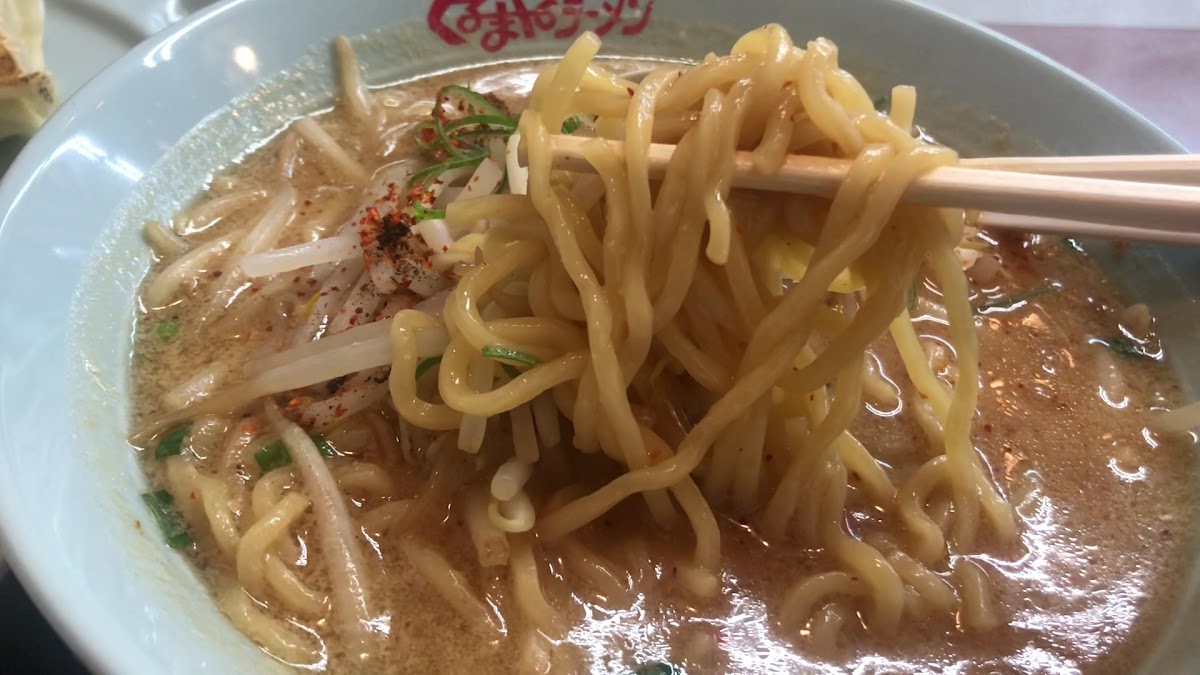
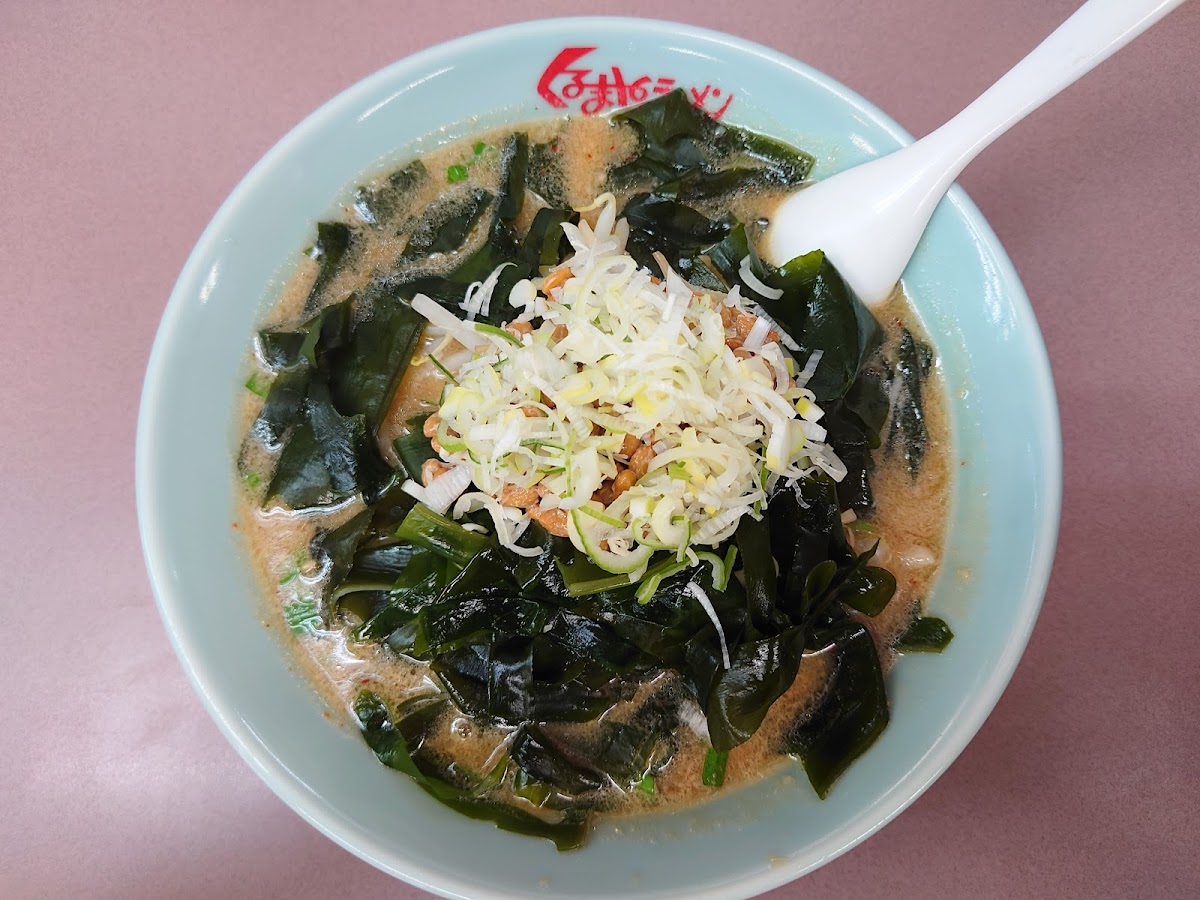
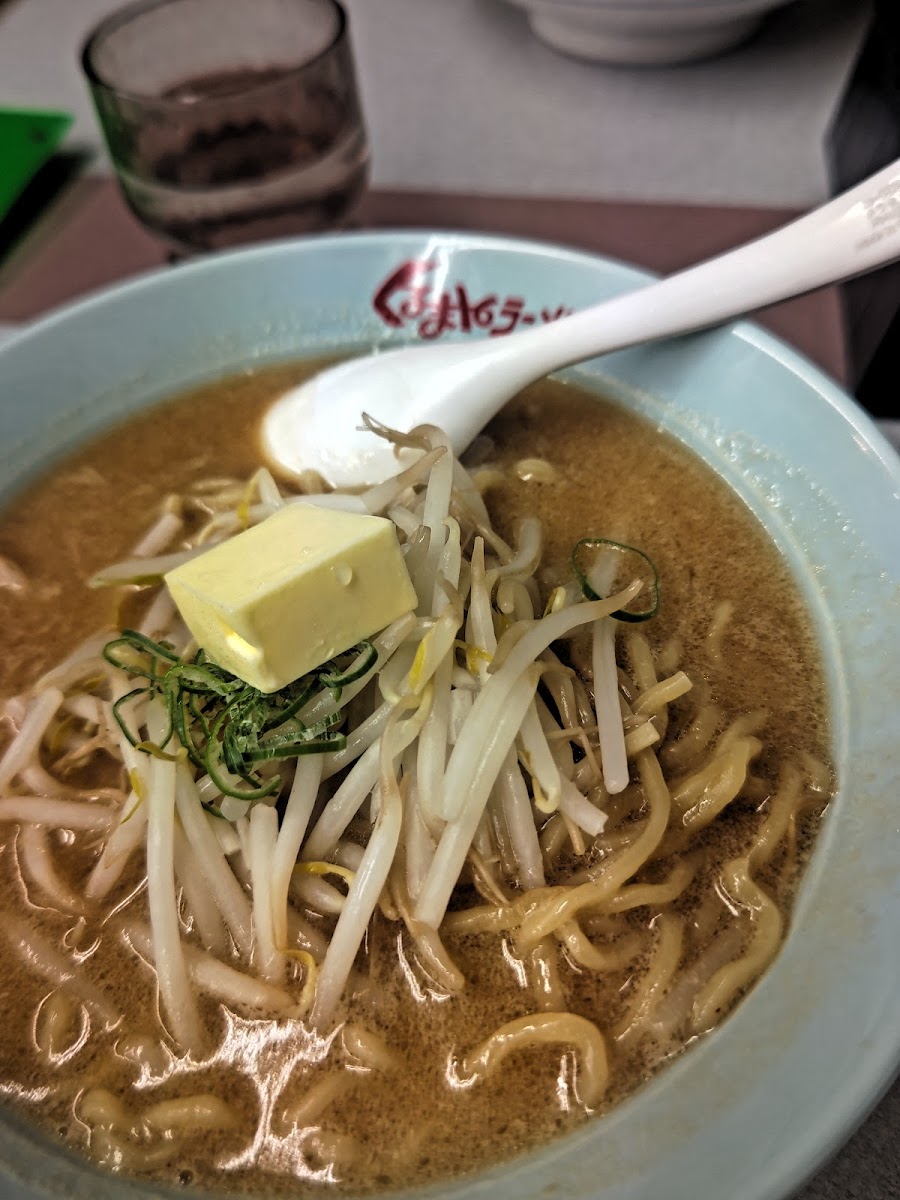
What stands out immediately is the broth. Many ramen shops talk about slow cooking, but here you can taste it. The soup has depth without being overpowering, suggesting long hours of careful simmering. I chatted briefly with a regular who mentioned that the broth preparation follows a method common among long-established ramen chains, where bones and aromatics are cooked at controlled temperatures to extract flavor without bitterness. That attention to process aligns with techniques often discussed by chefs featured in Japanese culinary publications like Shokuraku Magazine, which frequently highlights balance as the core of great ramen.
The noodles deserve their own moment. Firm but not chewy to the point of distraction, they hold onto the broth just enough. This balance isn’t accidental. Food science studies from institutions such as Tokyo University of Agriculture explain how hydration levels and resting time affect noodle texture, and it’s clear someone here understands that craft. The slices of pork are tender, lightly seasoned, and never greasy, which keeps the overall bowl feeling comforting rather than heavy.
Reviews from locals often mention how reliable the experience is, and that matches my own visits. Whether it’s lunchtime or later in the evening, the quality stays steady. That kind of reliability builds trust, especially in a small community like Atami Taga, where word of mouth matters more than flashy advertising. One longtime customer told me they appreciate that the flavors haven’t changed over the years, calling the shop authentic comfort without any irony.
The location itself adds to the charm. It’s not right next to the main tourist spots, which means the crowd is mostly residents and in-the-know travelers. That also explains why the atmosphere feels relaxed. You’ll see solo diners, families, and workers grabbing a quick meal, all sharing the same cozy space. The staff move efficiently but never rush you, and even small interactions feel genuine.
There are limitations worth noting. If you’re looking for experimental toppings or vegan options, this may not be your spot. The menu sticks closely to traditional styles, and substitutions are limited. Still, for many diners, that focus is exactly the appeal. In a food landscape where menus constantly expand, there’s something reassuring about a place that knows its strengths and stays true to them.
Over time, I’ve come to see this ramen diner as a reflection of why Japanese comfort food resonates globally. Organizations like UNESCO have recognized Japanese cuisine for its cultural value, and places like this quietly uphold that reputation through daily practice rather than grand statements. Every bowl served here feels intentional, familiar, and honest, which explains why so many reviews describe it as a place you return to without thinking twice.
Between the thoughtful preparation, dependable menu, and welcoming location, this ramen shop earns its reputation the old-fashioned way. It doesn’t need to convince you it’s good. You sit down, take your first bite, and the rest makes sense.